

Training operators for a pipe punching machine is a crucial process that directly impacts the efficiency, quality, and safety of production. As a supplier of pipe punching machines, I understand the significance of providing comprehensive training to ensure that operators can make the most of our equipment. In this blog, I will share some key steps and considerations on how to train operators for a pipe punching machine.
Pre - training Preparation
Before starting the actual training, it is essential to conduct a thorough pre - training preparation. First, assess the operators' existing knowledge and skills. This can be done through a simple questionnaire or interview to understand their familiarity with machinery, basic mechanical concepts, and safety awareness.
Provide operators with relevant training materials. These materials should include the machine's user manual, safety guidelines, and operation flowcharts. The user manual of our Automatic Hydraulic Punching Machine is a detailed document that covers everything from the machine's technical specifications to its maintenance requirements. Make sure operators have access to these materials in advance so that they can have a basic understanding of the machine before the hands - on training.
Safety Training
Safety should always be the top priority in any industrial training. Begin the training with a comprehensive safety session. Explain the potential hazards associated with the pipe punching machine, such as moving parts, high - pressure hydraulic systems, and sharp punching tools.
Demonstrate the correct use of personal protective equipment (PPE), including safety glasses, gloves, and ear protection. Operators should understand that wearing PPE is not an option but a requirement for every shift. Teach them about the safety features of the machine, such as emergency stop buttons, safety guards, and interlock systems. For example, our Hydraulic Pipe Punching Machine is equipped with advanced safety features to prevent accidents.
Conduct safety drills to simulate emergency situations. Train operators on how to respond quickly and effectively in case of a machine malfunction or an accident. Regular safety reminders and refresher courses should also be provided to reinforce safety awareness.
Theoretical Knowledge Training
After the safety training, move on to the theoretical knowledge training. Explain the working principle of the pipe punching machine. For a hydraulic - powered machine, teach operators about the hydraulic system, including pumps, valves, and cylinders. How the hydraulic pressure is generated and controlled to drive the punching operation.
Introduce the different types of pipe punching machines and their applications. Our Pipe Hole Punching Machine is designed for specific hole - punching tasks in pipes. Explain the machine's specifications, such as punching force, hole diameter range, and punching speed.
Teach operators about the materials used in pipe punching. Different pipes may require different punching techniques and tooling. For example, stainless - steel pipes are harder than carbon - steel pipes and may need more punching force and specialized punches. Provide information on how to select the appropriate tooling based on the pipe material and the required hole size.
Hands - on Training
Hands - on training is the most critical part of the operator training process. Start with a slow and controlled demonstration of the machine's operation. Show operators how to power on the machine, set up the punching parameters, and load the pipes.
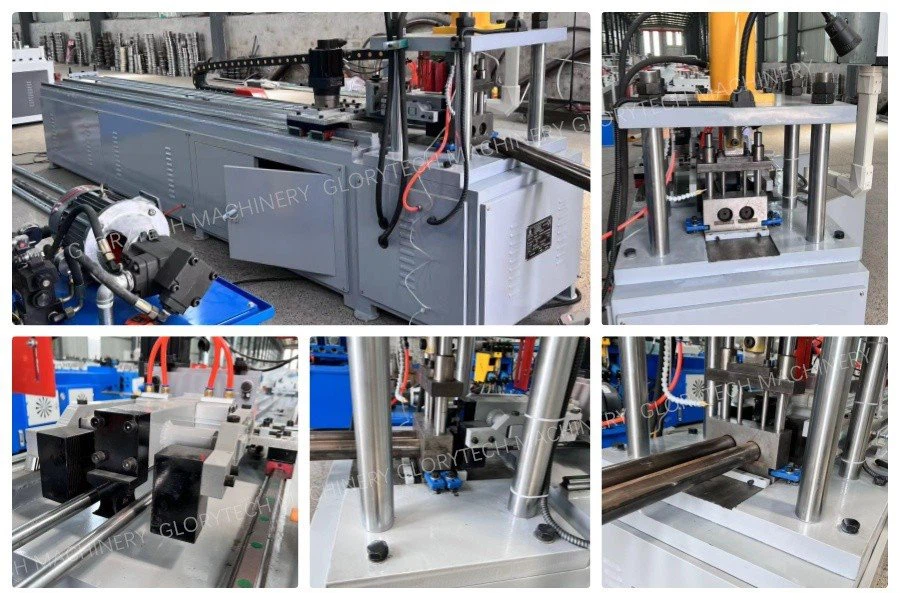

Let operators practice basic operations under supervision. Begin with simple punching tasks, such as punching a single hole in a straight pipe. Provide step - by - step guidance and correct any mistakes immediately. As operators become more proficient, gradually increase the complexity of the tasks, such as punching multiple holes at different positions or on curved pipes.
Teach operators how to maintain the machine. This includes regular cleaning, lubrication, and inspection of the machine components. Explain the importance of preventive maintenance to ensure the machine's long - term performance and reliability.
Quality Control Training
Quality control is an essential aspect of pipe punching operations. Train operators on how to measure the punched holes accurately. Teach them about the acceptable tolerance levels for hole diameter, hole position, and hole surface finish.
Show operators how to use measuring tools, such as calipers, micrometers, and gauges. Provide them with quality control checklists and teach them how to record and report any quality issues. By ensuring that operators understand the quality requirements, we can minimize the number of defective products and improve overall production efficiency.
Troubleshooting Training
Even with proper maintenance, machines may encounter problems from time to time. Provide operators with troubleshooting training to enable them to identify and solve common machine problems. Teach them how to diagnose issues such as hydraulic leaks, electrical malfunctions, and tooling wear.
Create a troubleshooting guide that operators can refer to when facing problems. Encourage operators to report any abnormal machine behavior immediately so that timely repairs can be made. By empowering operators to handle minor problems, we can reduce machine downtime and increase productivity.
Continuous Training and Improvement
Training is not a one - time event. Provide continuous training opportunities for operators to keep them updated with the latest machine technologies and industry best practices. This can include attending seminars, workshops, or online training courses.
Encourage operators to share their experiences and suggestions for improvement. By creating a culture of continuous learning and improvement, we can enhance the overall performance of our operators and our pipe punching machines.
Conclusion
Training operators for a pipe punching machine is a multi - faceted process that requires careful planning and execution. By following the steps outlined above, we can ensure that operators are well - trained, safe, and capable of producing high - quality punched pipes.
If you are interested in our pipe punching machines or need more information about operator training, please feel free to contact us for further discussion and procurement negotiation. We are committed to providing you with the best products and services.
References
- "Industrial Machine Operator Training Manual"
- "Hydraulic System Basics and Applications"
- "Quality Control in Pipe Manufacturing"