

Hey there! As a supplier of grid welding machines, I often get asked about how to adjust the welding parameters of these machines. It's a crucial aspect that can significantly impact the quality of the welded grids. So, in this blog, I'm gonna share some tips and tricks on how to do it right.
First off, let's talk about why adjusting welding parameters is so important. The right parameters ensure strong, reliable welds. If the parameters are off, you might end up with weak joints, burn-throughs, or other welding defects. And that's not good for anyone, whether you're making small grids for DIY projects or large-scale industrial ones.
One of the key parameters to consider is the welding current. The welding current determines the heat input during the welding process. If the current is too low, the weld won't penetrate properly, and you'll get a weak joint. On the other hand, if the current is too high, you risk burning through the material. So, finding the sweet spot is essential.
To adjust the welding current, you need to consider the thickness of the wires or bars you're welding. Thicker materials generally require higher currents. For example, if you're welding thin wires, say around 2 - 3 mm in diameter, you might start with a lower current setting, maybe around 50 - 80 amps. But if you're working with thicker bars, like 6 - 8 mm, you'll probably need to crank up the current to 120 - 150 amps or more. It's always a good idea to do some test welds on scrap materials first to see how the machine behaves at different current settings.
Another important parameter is the welding voltage. The voltage affects the arc length and the shape of the weld bead. A higher voltage will result in a longer arc, which can make the weld bead wider but may also lead to more spatter. A lower voltage, on the other hand, gives a shorter arc and a narrower weld bead.
When adjusting the voltage, you should also take into account the type of welding process you're using. For example, in resistance welding, which is commonly used in grid welding machines, the voltage needs to be carefully calibrated to ensure proper heat generation at the welding points. You can usually find recommended voltage ranges in the machine's manual based on the wire or bar thickness and the welding speed.
The welding speed is also a critical factor. If you weld too fast, the weld might not have enough time to form properly, resulting in incomplete fusion. If you go too slow, you might overheat the material and cause distortion. The ideal welding speed depends on the current, voltage, and the material being welded. Generally, you want to maintain a steady, consistent speed throughout the welding process.
Now, let's talk about the electrode force. In a grid welding machine, the electrodes apply pressure to the wires or bars during the welding process. The right electrode force is necessary to ensure good electrical contact and proper weld formation. If the force is too low, the electrical resistance at the welding point will be high, leading to poor heat transfer and weak welds. If the force is too high, it can damage the wires or bars.
You can adjust the electrode force using the machine's control panel. Most modern grid welding machines have adjustable pneumatic or hydraulic systems that allow you to set the desired force. Again, the optimal force depends on the material thickness and the welding process. You may need to experiment a bit to find the best setting for your specific application.
In addition to these basic parameters, there are some other factors that can affect the welding quality. For example, the cleanliness of the wires or bars is crucial. Any dirt, rust, or grease on the surface can interfere with the welding process and cause defects. So, make sure to clean the materials thoroughly before welding.

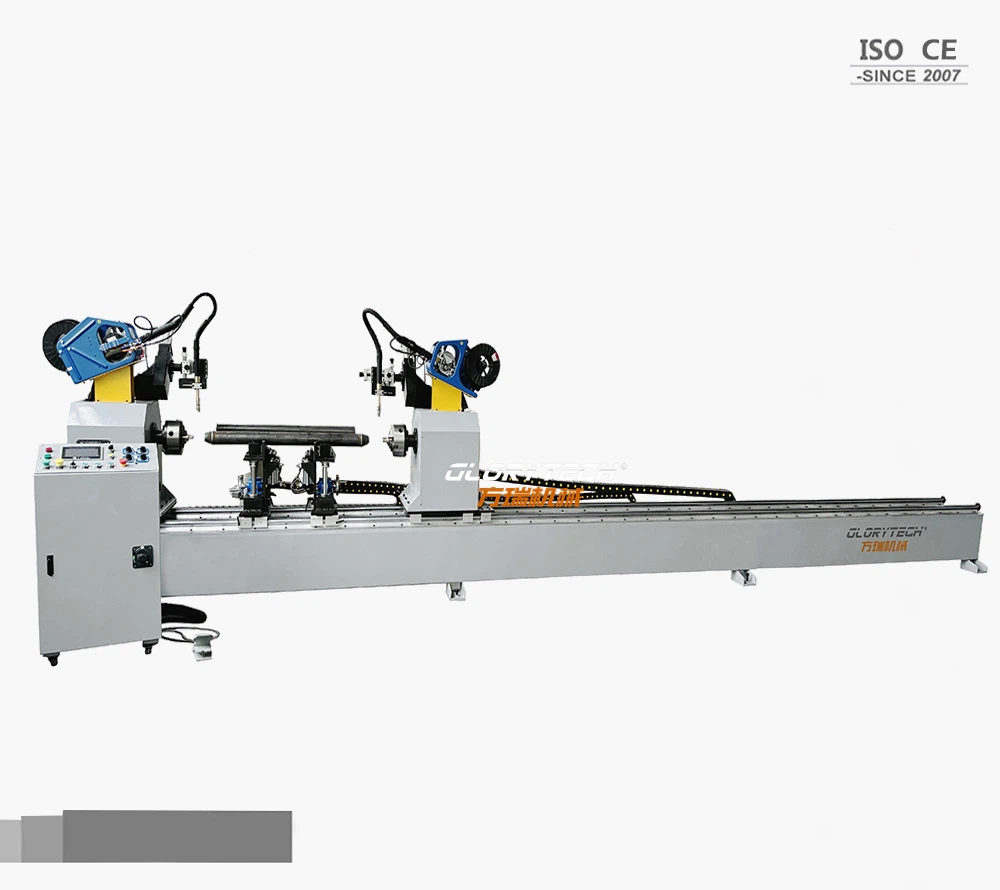
The type of shielding gas, if applicable, also plays a role. Some grid welding machines use shielding gases to protect the weld from oxidation and other contaminants. The choice of gas depends on the material being welded. For example, for stainless steel welding, you might use a mixture of argon and carbon dioxide.
If you're interested in different types of grid welding machines, we offer a variety of options. Check out our Steel Space Frame Welding Machine, Automatic Grid Welding Machine, and Automatic Space Frame Welding Machine. These machines are designed with advanced features to make the welding process more efficient and reliable.
In conclusion, adjusting the welding parameters of a grid welding machine requires a combination of knowledge, experience, and a bit of trial and error. By understanding the key parameters like current, voltage, welding speed, electrode force, and taking into account other factors such as material cleanliness and shielding gas, you can achieve high-quality welds.
If you're in the market for a grid welding machine or have any questions about adjusting the parameters, feel free to reach out. We're here to help you make the most of your welding operations. Whether you're a small business owner or a large industrial manufacturer, we have the right solution for you. Let's get in touch and discuss your specific needs.
References:
- Welding Handbook, American Welding Society
- Grid Welding Machine User Manuals